MAU
Vietnamese for mother. The place you come back to yourself.
Imagine being held
through the biggest
moment of your life
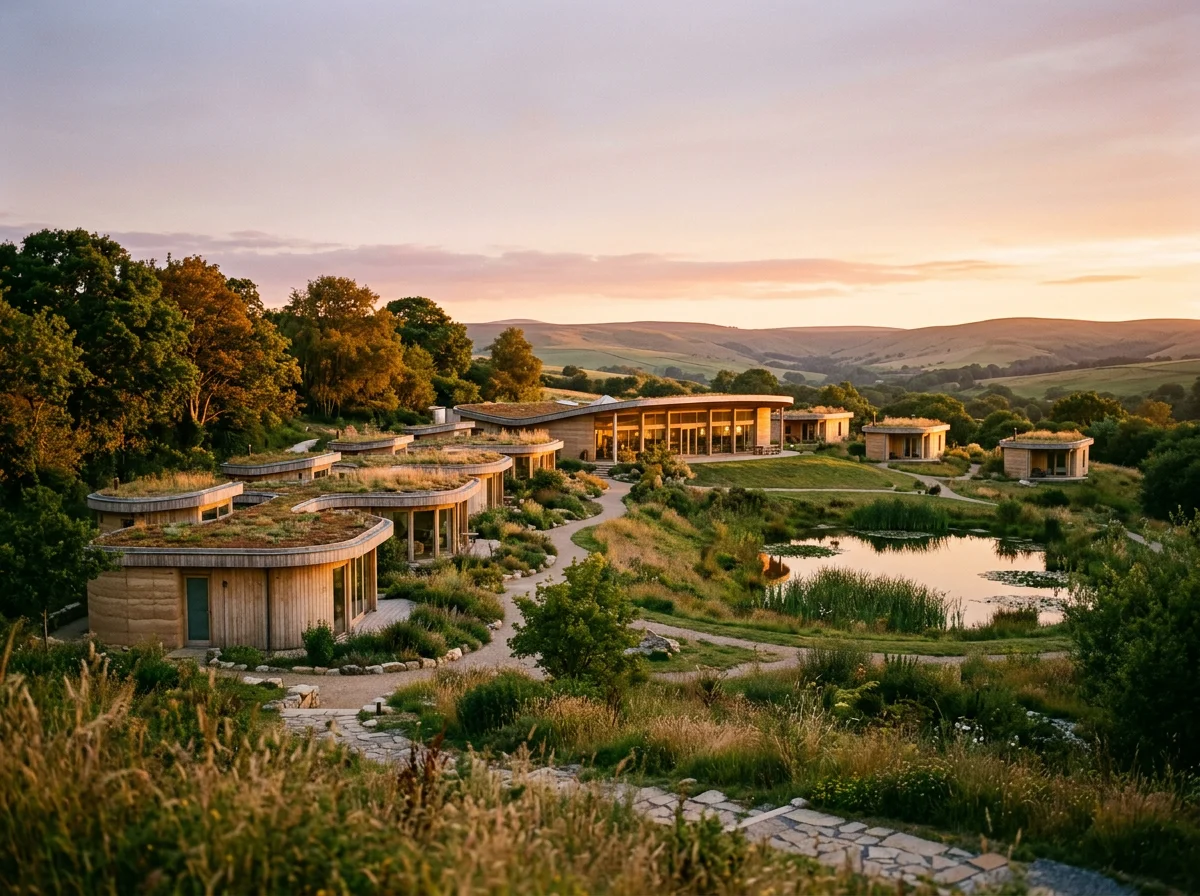
Mau is a birth retreat village in the UK, set in nature, where you prepare, give birth and recover in one place, held by a village of people who care for you the whole way. It is a place for mind, body and spirit, rooted in nature and Mother Earth.
WHY MAU IS NEEDED
Becoming a mother changes everything, and so few of us are told.
The moment your baby arrives, your whole world shifts. Your body is healing, your hormones are rearranging themselves, your sleep slips away, and you are asked to feed, soothe and hold a tiny new person around the clock, often with little food and no time for yourself.
Researchers have a name for this change. They call it matrescence, the becoming of a mother, and compare it to adolescence for how much it shifts the body, the mind and your sense of who you are. Even the brain reshapes itself. A study in Nature Neuroscience found that pregnancy brings lasting changes in brain areas linked to understanding and connecting with others, still there at least two years later.
Even when the birth is beautiful and everything goes well, becoming a mother still leaves its mark. It is a shock to the system, and so many of us never see it coming. Many mothers lose themselves in those first weeks, when everything is changing at once and all the attention goes to the baby.
As many as 1 in 4
women develop a mental health problem during pregnancy or in the early years after having a baby.
Up to 85,000
mothers in England may have had postnatal depression in 2024, around 10 to 15% of those who gave birth.
70%
of women with these difficulties will hide them or play them down.
80%
of women said they could always get help or advice with feeding their baby in the evenings, nights and weekends in the first six to eight weeks.
Behind every one of these numbers is a real woman, often quietly coping.
Support after birth is stretched, and that gap is where Mau begins.
UNDERSTANDING POSTNATAL DEPRESSION
What it is, and how recovery unfolds.
Postnatal depression is a common mental health condition that can happen after having a baby. It can begin during pregnancy, soon after the birth, or at any time in the first year. It is different from the baby blues, those first days of feeling tearful, anxious or low, which usually pass within two weeks.
Postnatal depression lasts longer and feels heavier. It can bring a low mood, a loss of joy, guilt, constant worry, difficulty sleeping even when there is time to rest, and difficulty bonding with your baby. With support and treatment it usually improves within three to six months, though sometimes it takes much longer.
Feeling lost, unsure and overwhelmed is part of this story too, and it often goes unseen. Estimates cited in a 2024 review suggest that up to 80% of mothers experience some kind of distress, because the change is so big. Anxiety is part of it. Some mothers feel so afraid of getting it wrong, of dropping their baby, hurting her or holding her the wrong way, that they hold her less. It is a tender fear, and it comes from love.
Yet closeness is one of the best ways to build the bond. The NHS describes skin-to-skin contact as helping a mother bond with her baby and helping her baby form a strong attachment to her, especially in the first days, weeks and months. When fear keeps a mother's arms from her baby, both of them miss out on something they need. With gentle guidance, patience and practice, that fear softens and confidence grows.
First days
Your body begins to heal. Bleeding is heavy at first, your milk comes in around day three or four, and the baby blues can arrive as everything shifts.
First weeks
Bleeding continues for a few weeks, any stitches heal, and the pelvic floor is tender and tired. Rest, warmth and good food matter more than anything. Your postnatal check comes at around six weeks.
First months
Sleep is broken, feeding finds its rhythm, and your sense of who you are keeps shifting. If postnatal depression comes, it usually starts within the first weeks but can also emerge months later, and with support it usually eases within three to six months.
First year and beyond
Postnatal depression can still arise up to a year after birth. The brain changes of pregnancy last at least two years, and matrescence is a long journey with no fixed end, returning with each child.
HOW MAU HELPS
Care that meets every part of recovery
Mau is designed around everything a mother goes through after birth, so that nothing is missed and nobody is left to cope alone.
Rest comes first. Someone else cooks, cleans and holds the baby, so you can sleep and heal.
Nourishment. Three warm, organic meals a day, so your body has everything it needs.
Body care. Osteopaths, pelvic floor specialists, massage and the spa help your body recover fully.
Feeding and confidence with your baby. Breastfeeding support day and night, and experienced people beside you for the first hold, the first feed and the first bath. They offer patient reassurance until holding your baby feels natural, and skin-to-skin closeness feels easy.
Mind, heart and spirit. Meditation, gentle movement, circles and counsellors, in a calm place close to nature.
Company. Other mothers going through the same weeks as you, so no one has to hide how they really feel.
WHAT IT GIVES
What changes when mothers are held
A mother who is rested, fed, supported and understood heals more fully, in body and in heart. She finds her way back to herself, and she has the energy to enjoy her baby instead of simply getting through the early weeks.
Her baby feels it too. A 2020 review of 191 studies and almost 196,000 mothers and children found that depression and anxiety in pregnancy and the first year were linked with poorer emotional, behavioural and cognitive development in children, as they grew into adolescence. The researchers describe this as an association, and it points to what every mother already feels: when she is well, her baby thrives.
That is why Mau cares for the mother first. My hope is simple: fewer mothers struggling alone, and a healthier, calmer, more connected next generation.
When a mother is held, a whole family is held.
PICTURE IT
Arriving at Mau
The road narrows into a track through trees.
The air changes.
Your shoulders drop for the first time in weeks.
Someone meets you at the gate, takes your bag and puts a warm cup of tea in your hands before you have said a word. Whether this is your first baby or your fourth, and whether you came with company or on your own, you are not alone from this moment on.
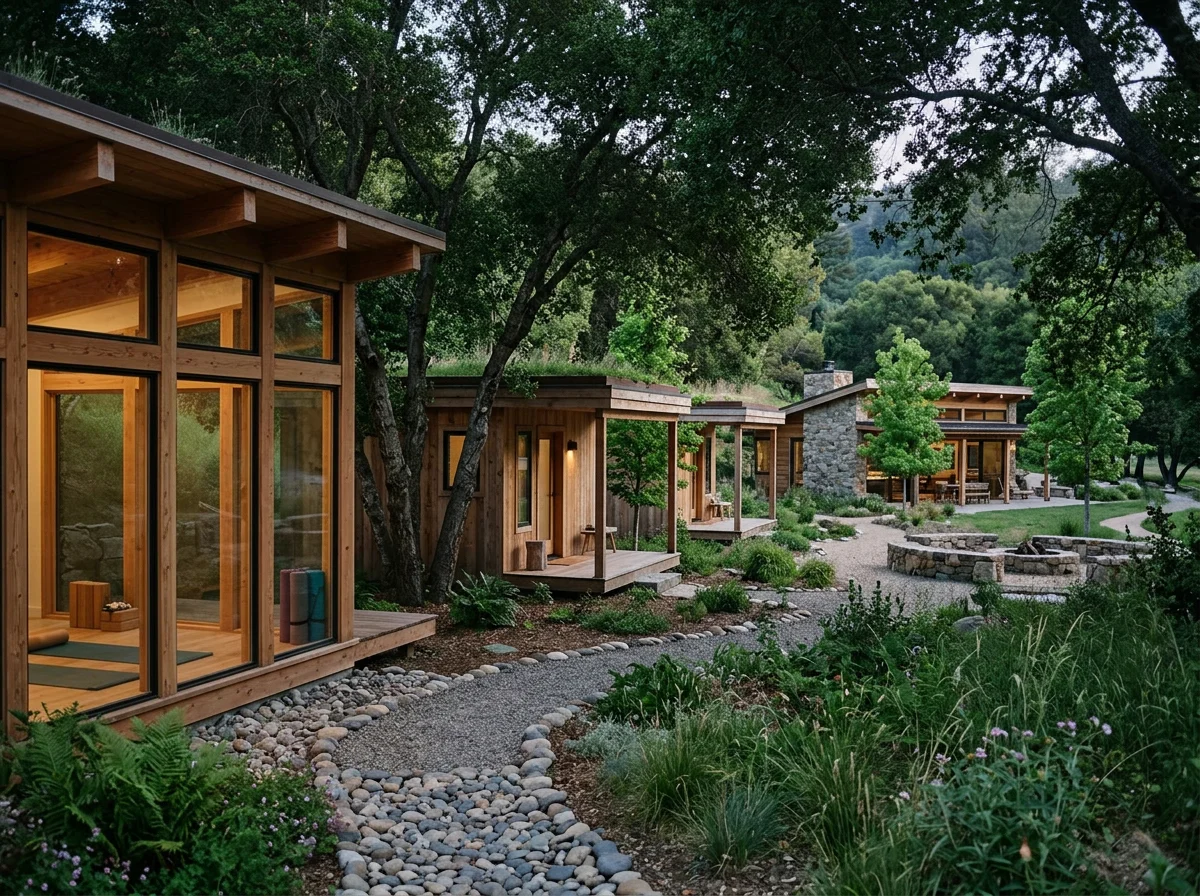
Your nest cottage is waiting. It is a spacious cob cottage, built by hand from earth, clay and straw, with thick curved walls that hold the warmth. It is yours alone, with a bedroom, a bathroom and a small kitchen. Inside there is soft linen, gentle light and a wide window onto fields and sky. Everything in it has been chosen for one purpose, which is to help you feel safe.
Cob is one of the oldest ways of building. The walls are shaped by hand from natural materials, which is why they feel less like a building and more like being held.
Nobody is rushing you. Nobody is a stranger. This is where your baby will be born.
THE VILLAGE
Everything within a gentle walk.
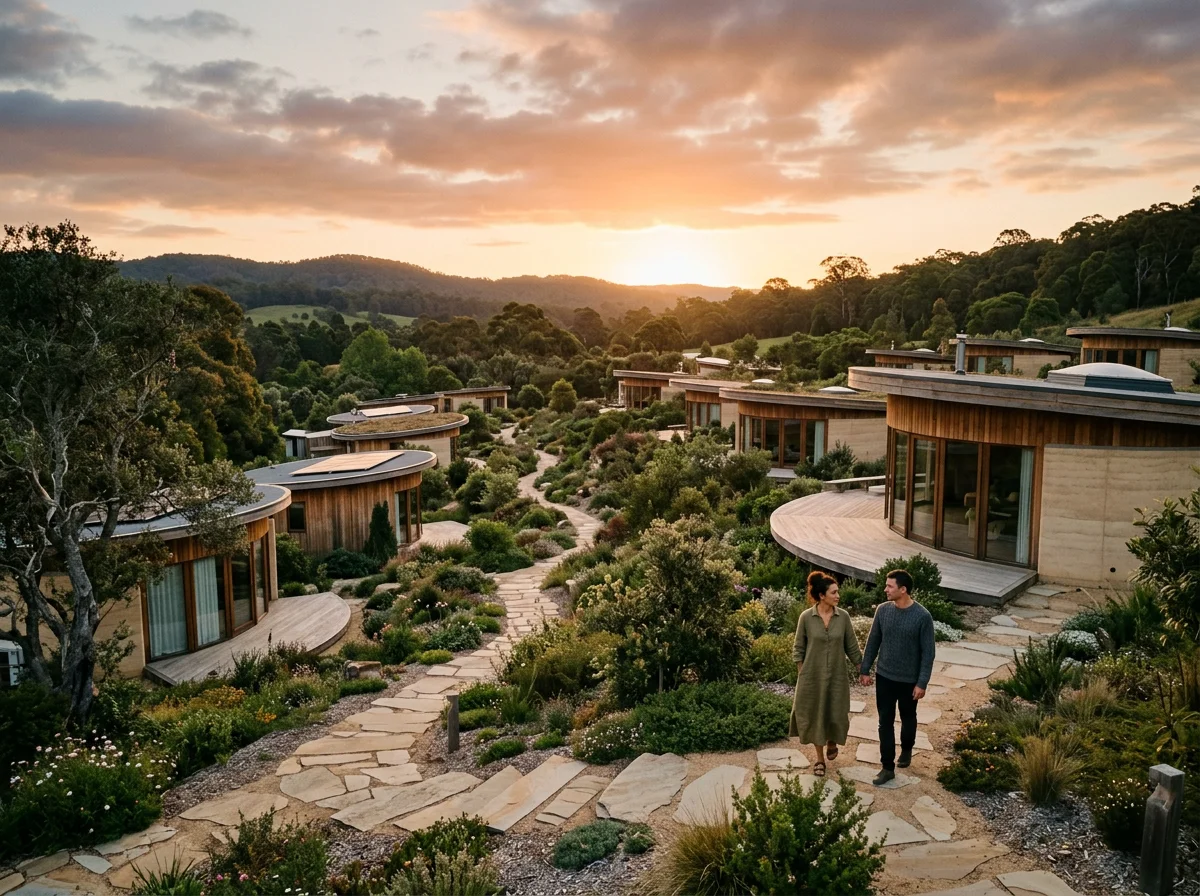
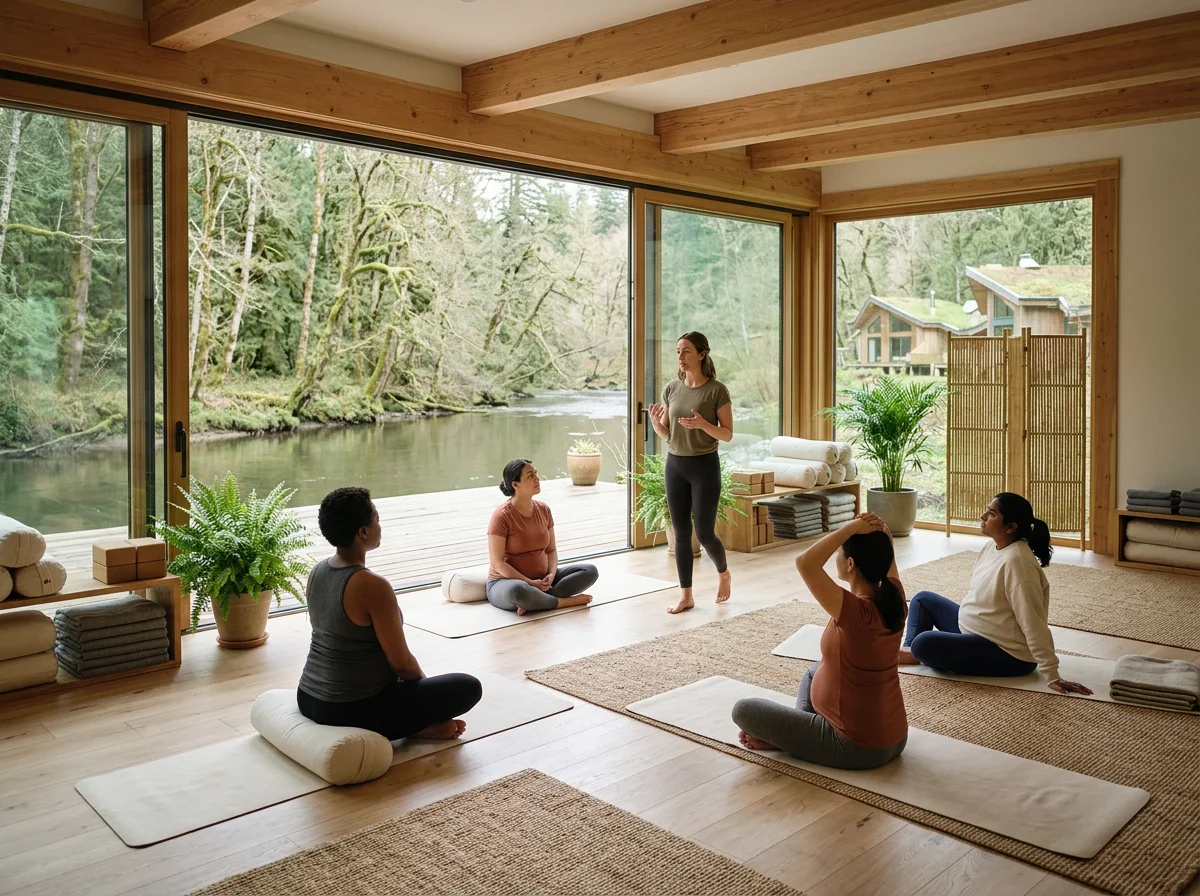
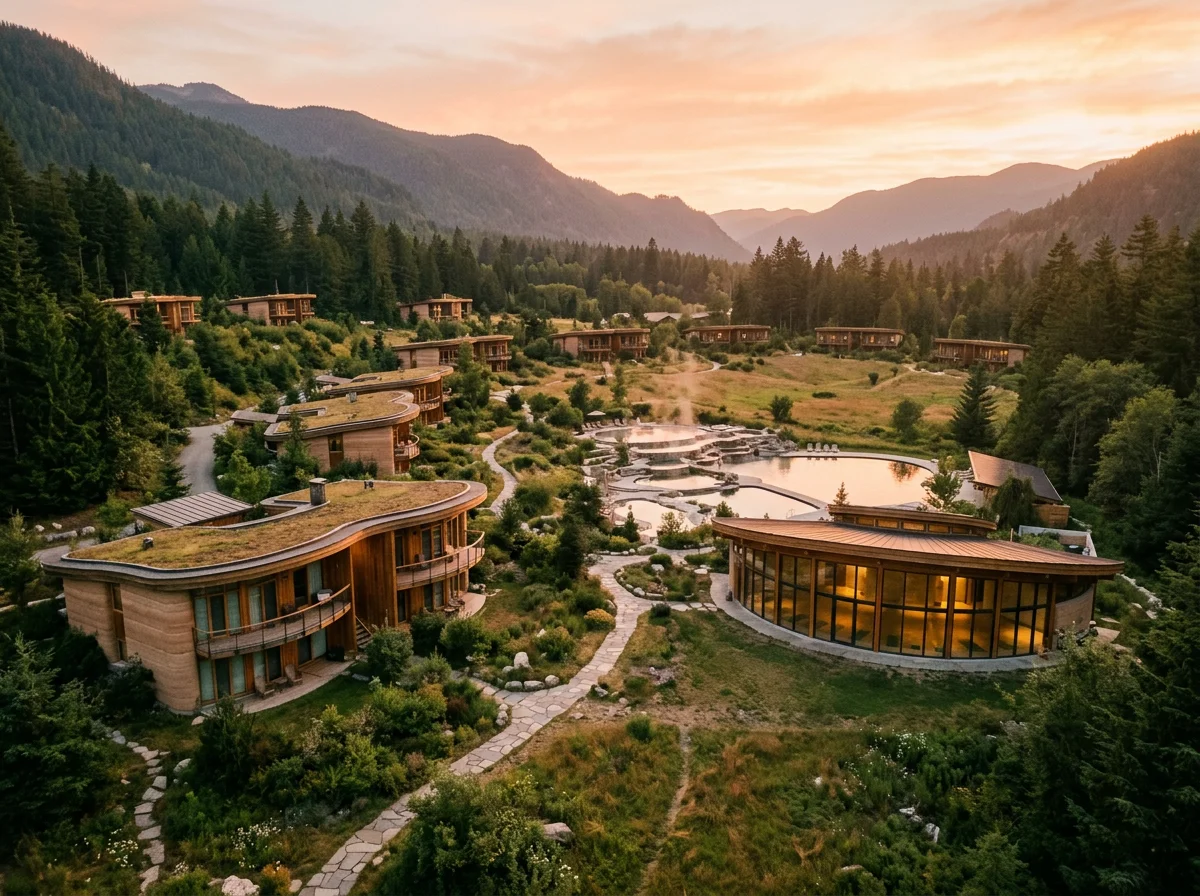
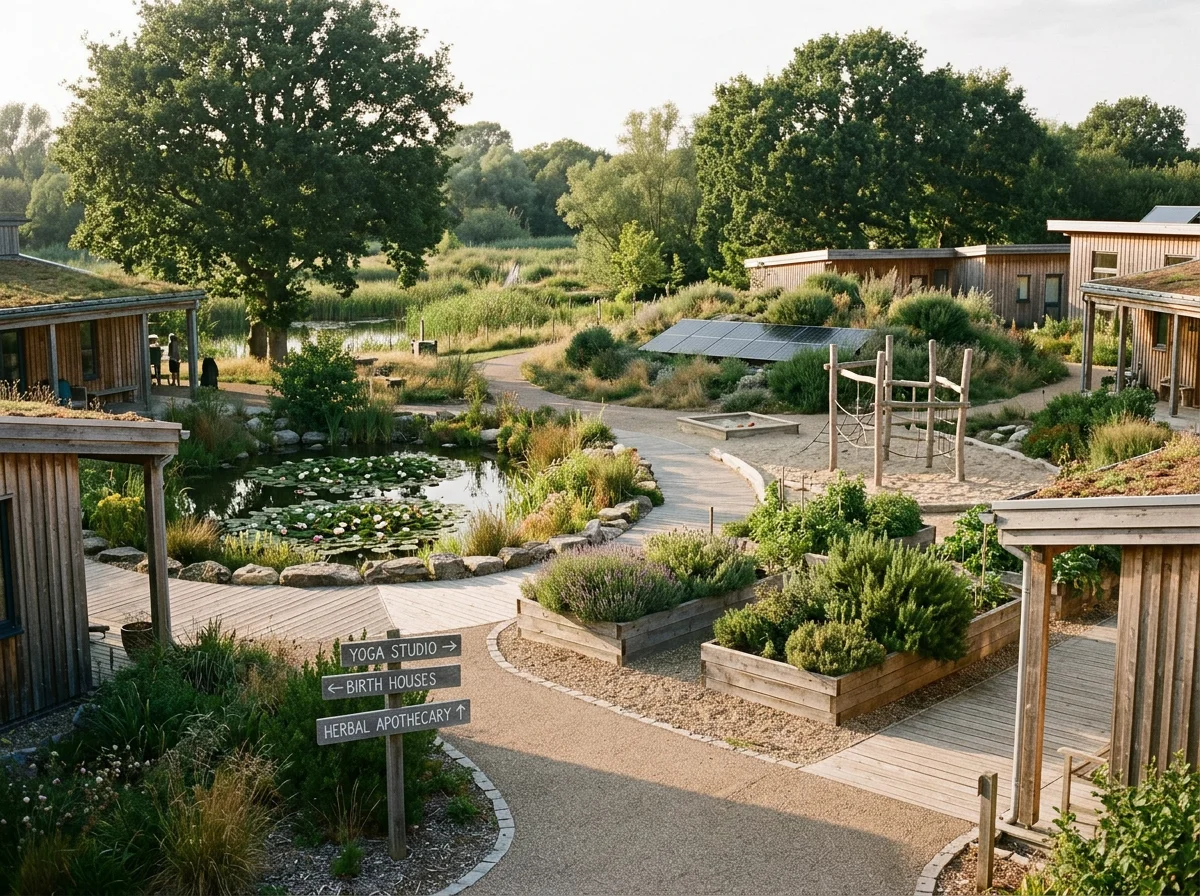
Mau is a small village in the woods and meadow. Nest cottages, the Roundhouse, yurts, studios, gardens and the spa sit together, joined by soft paths. The Roundhouse is the heart of the village, a light-filled round space for yoga, movement and birth preparation, with a long table for shared meals.
THE WAY OF MAU
Slow, grounded and held
Life at Mau follows the rhythm of nature. Days begin with stillness and end in quiet. There is time for breath, meditation, gentle movement and silence, and nothing is ever rushed.
Everything here draws on holistic traditions such as Ayurveda, which honour the body's own wisdom and the connection between mind, body and spirit. Warm herbal teas, nourishing food, oil massage and rest are part of the day, not extras.
The earth is close. Your cottage is built from it, your food grows from it, and you are invited to walk barefoot on it. Being held by Mother Earth is part of how a mother heals.
A calm, close community, where everyone is unhurried and everyone belongs.
THE JOURNEY
Before, during and after.
One place, one familiar team, from the first day to the day you go home.
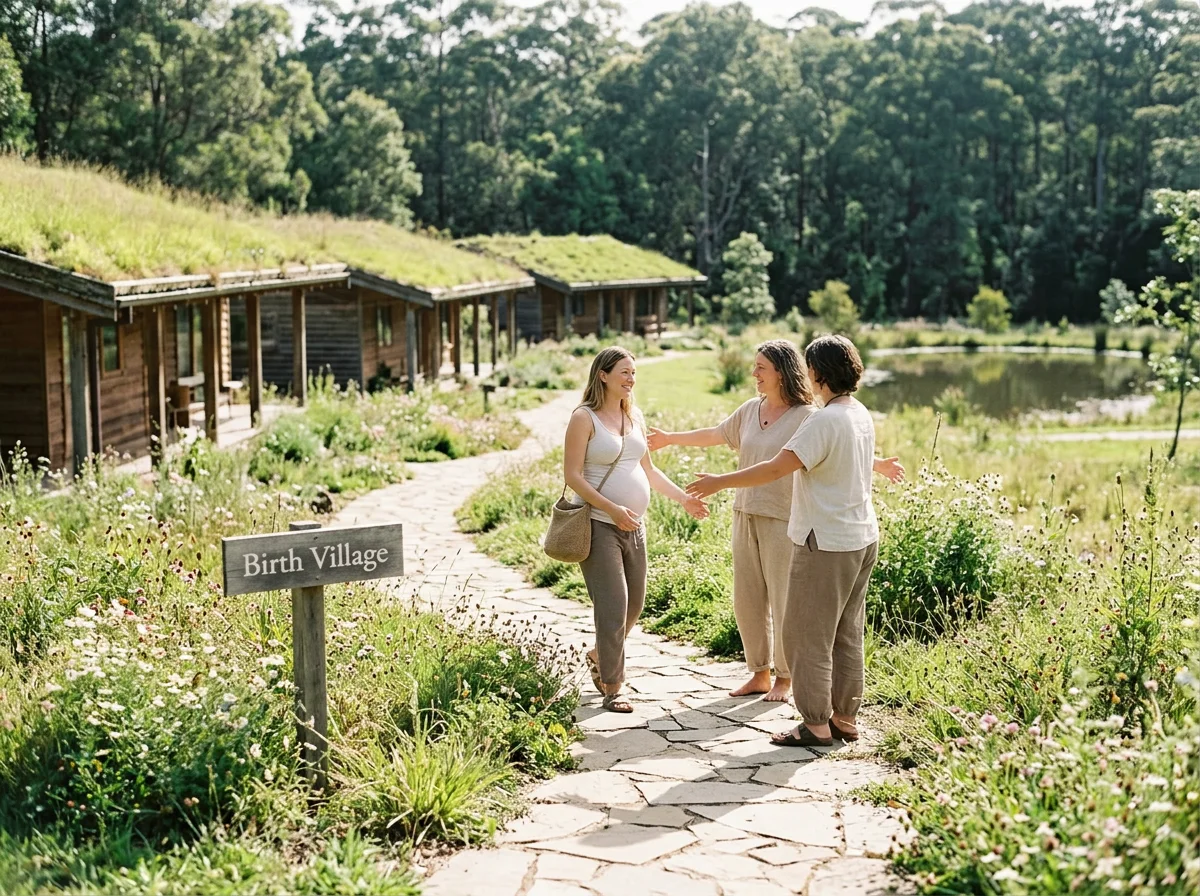
BEFORE
Prepare together
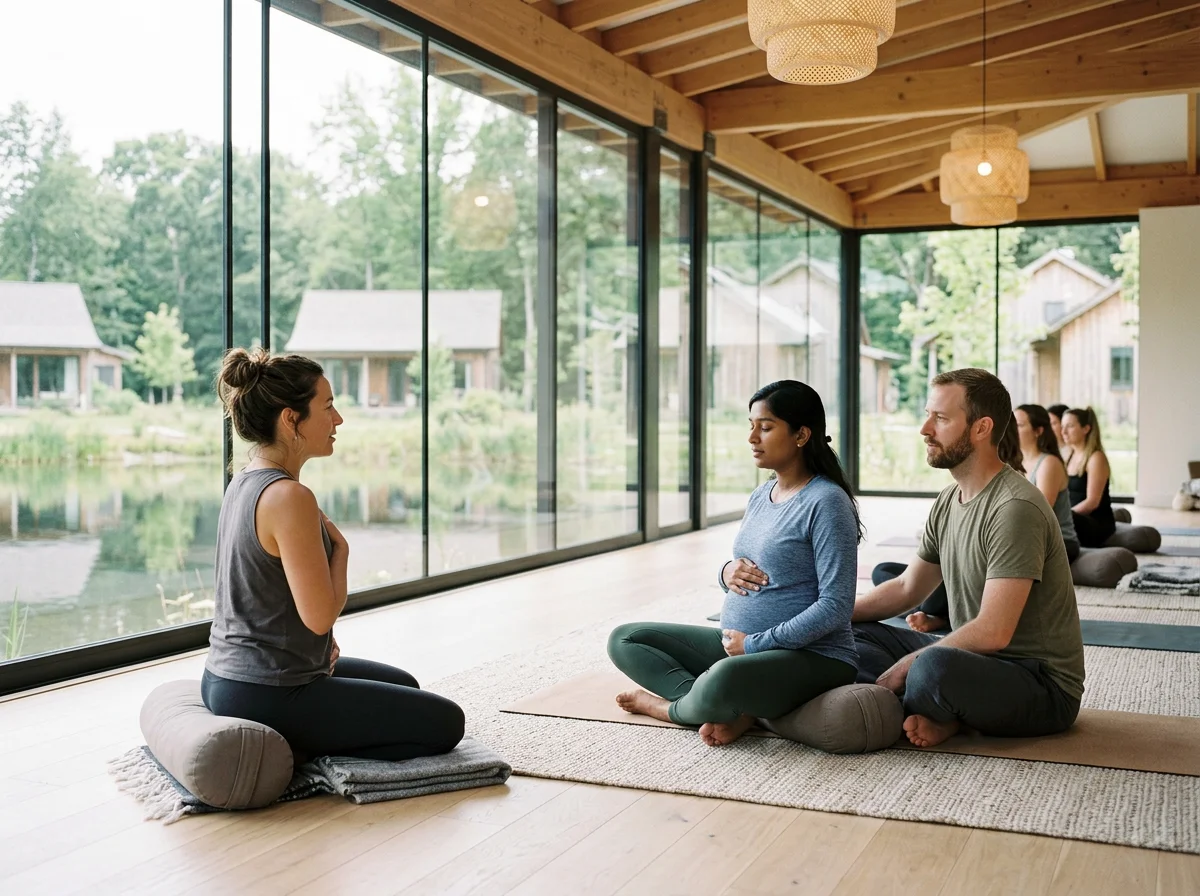
You arrive early. You move in the Roundhouse with yoga and breathwork, learn how birth works, and meet the doulas, midwives and other mothers who will be around you. By the time labour begins, you know every face.
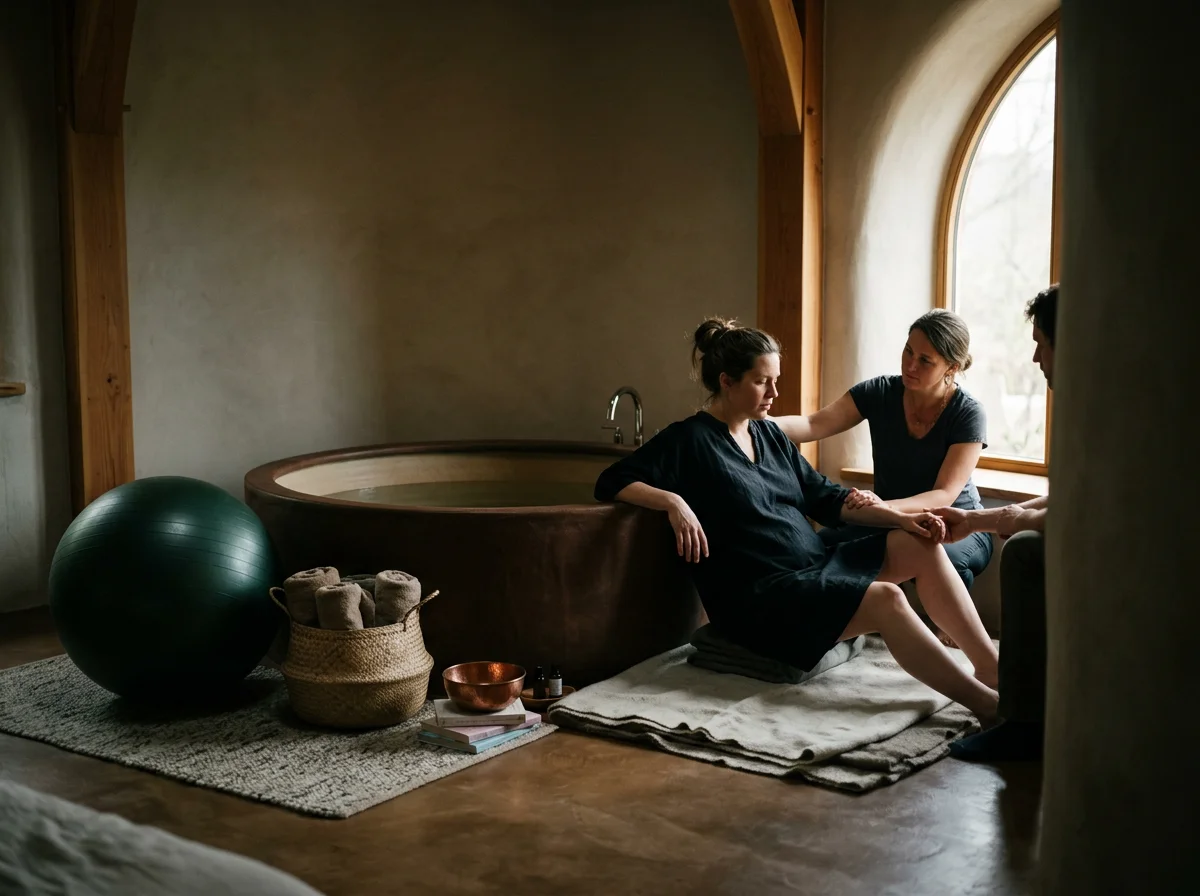
DURING
Birth, on your terms
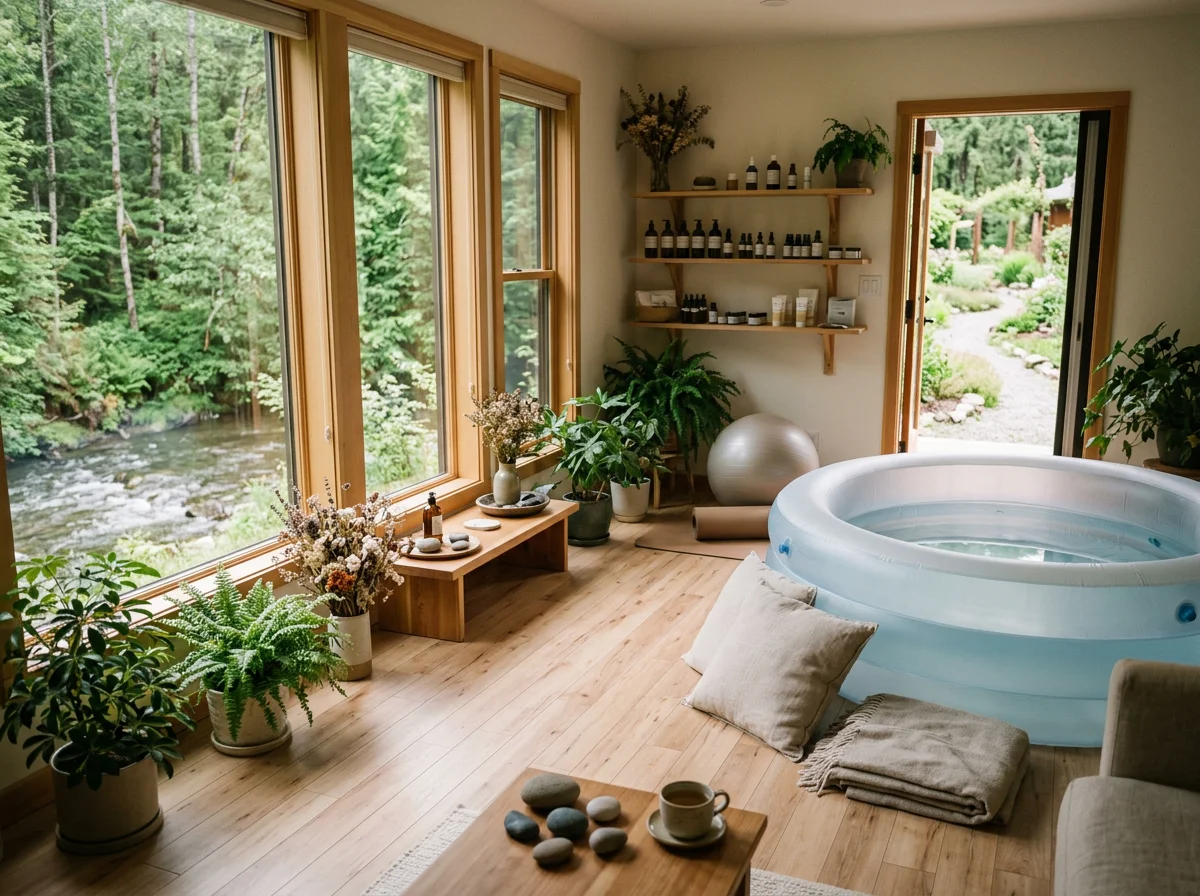
Your nest cottage is quiet and warm, with low light and room to move however your body asks. Support is close when you want it. The rest is yours.
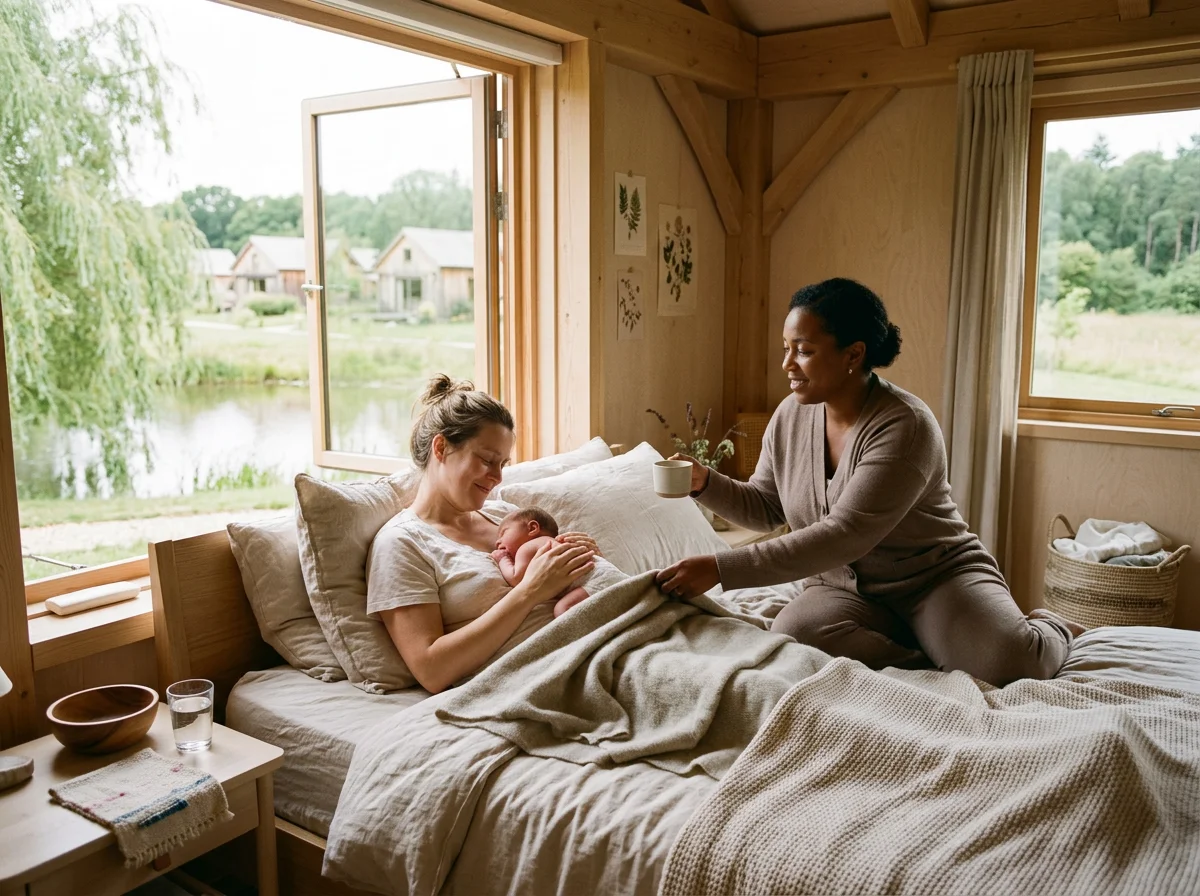
AFTER
Stay and recover
You do need to go anywhere. You can stay in the same nest cottage for six weeks or as long as you need, fed, rested and cared for while you and your baby get to know each other.
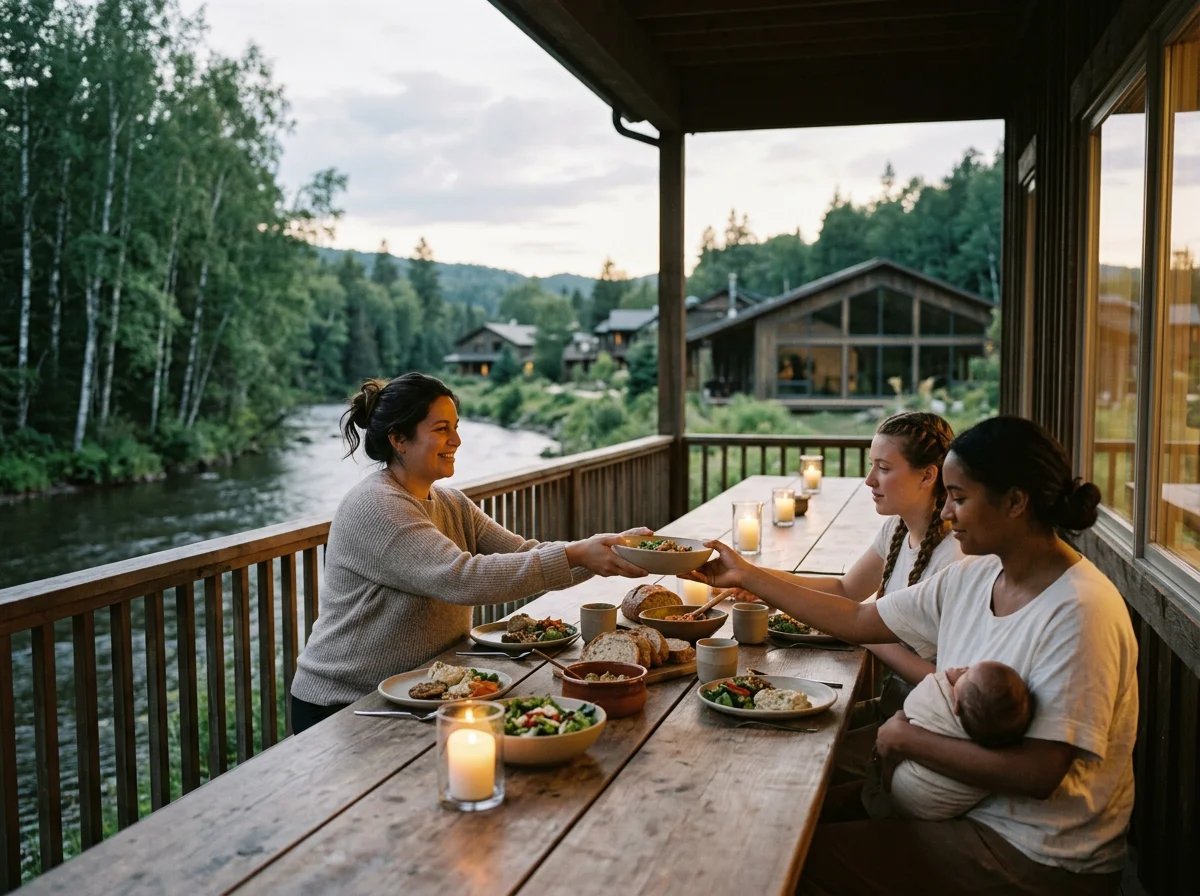
FOOD
Three good meals a day
Every day at Mau begins and ends with real food. Breakfast, lunch and dinner are made fresh from organic produce, grown in the village gardens and by local growers nearby. The meals are warm, nourishing and gentle on a recovering body, prepared in the spirit of Ayurveda, because what a mother eats in these weeks matters.
You can eat at the long table in the Roundhouse with the other mothers, or have your meal brought to your cottage when you would rather rest.
THE SPA
Where your body gets its turn.
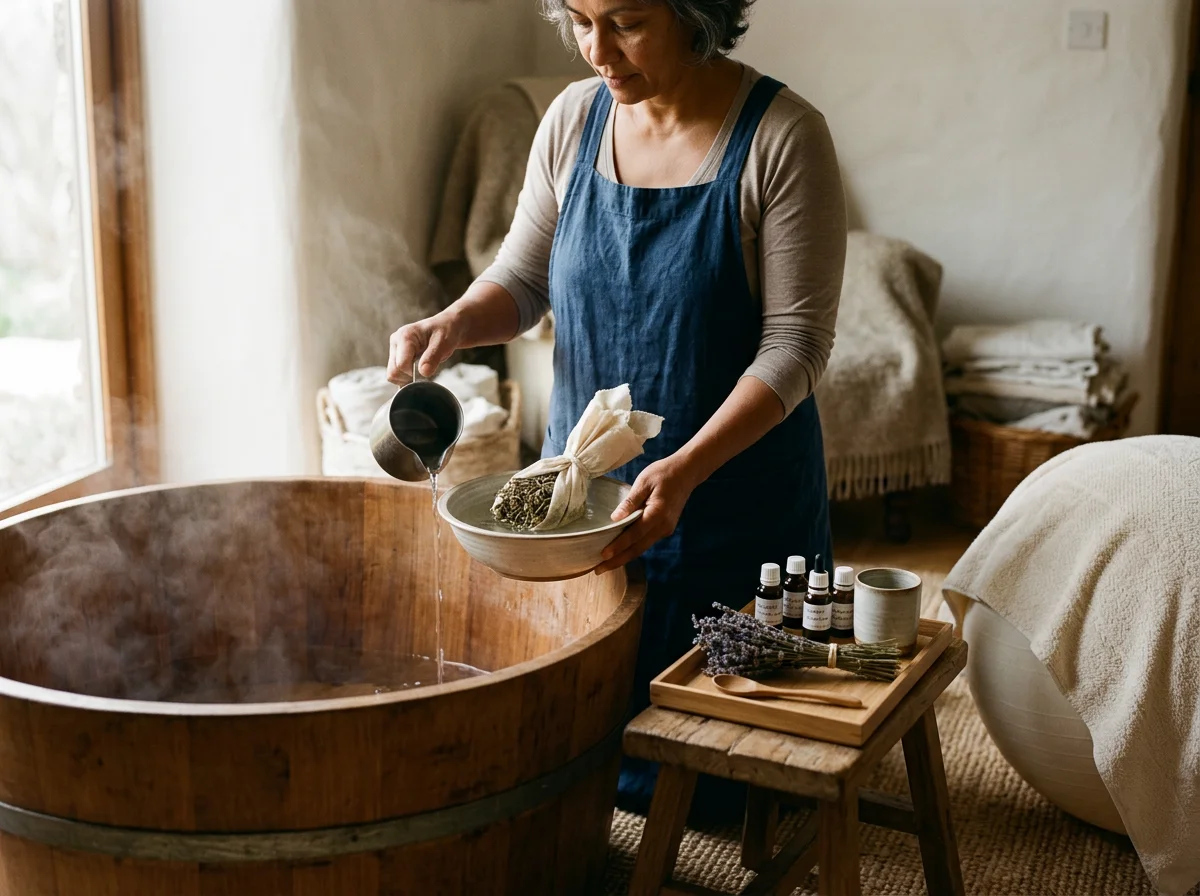
Birth asks everything of your body. The spa exists to give something back. It is a full spa complex, open to you through pregnancy and through every week of recovery, with everything a body might need to rest, heal and restore, and built to be slow, quiet and close to nature.
For warmth and stillness there is a wood-warmed sauna, a salt room to rest in, and aromatherapy rooms filled with natural scents, with space to cool down in the fresh air between them.
For hands-on care there are therapy and massage rooms, offering massage and bodywork, including warm oil massage, before the birth to ease the load and afterwards to help you heal. Pelvic floor care comes from specialists who understand postpartum bodies.
Outside, the natural water on the land, whether a lake, a pond or a stream, is there to sit beside, paddle in or simply listen to. Slow stretching and yoga happen in the Roundhouse, and a quiet rest room, with blankets, herbal tea and a place to lie down, means rest is always within reach.
As Mau grows, the spa may also welcome gentle restorative technology, such as red light therapy, chosen to support the body's healing alongside natural practices.
GATHER & LEARN
A place to come together
Yurts hold ceremonies, circles and quiet rituals, warm round spaces made for sitting close and sharing. Yoga studios offer movement for every stage, from pregnancy to the months after birth. Educational rooms host workshops, courses and talks on birth, motherhood and holistic living, so that Mau is a place of learning as well as rest.
In time, Mau will also have a place for the children who come with their mothers: a forest school and spaces made for them, where little ones can play, learn and explore among the trees while their mothers rest.
As the village grows, more spaces will be added, each with its own purpose and its own feel.
WHO HOLDS YOU HERE
You are never doing this alone
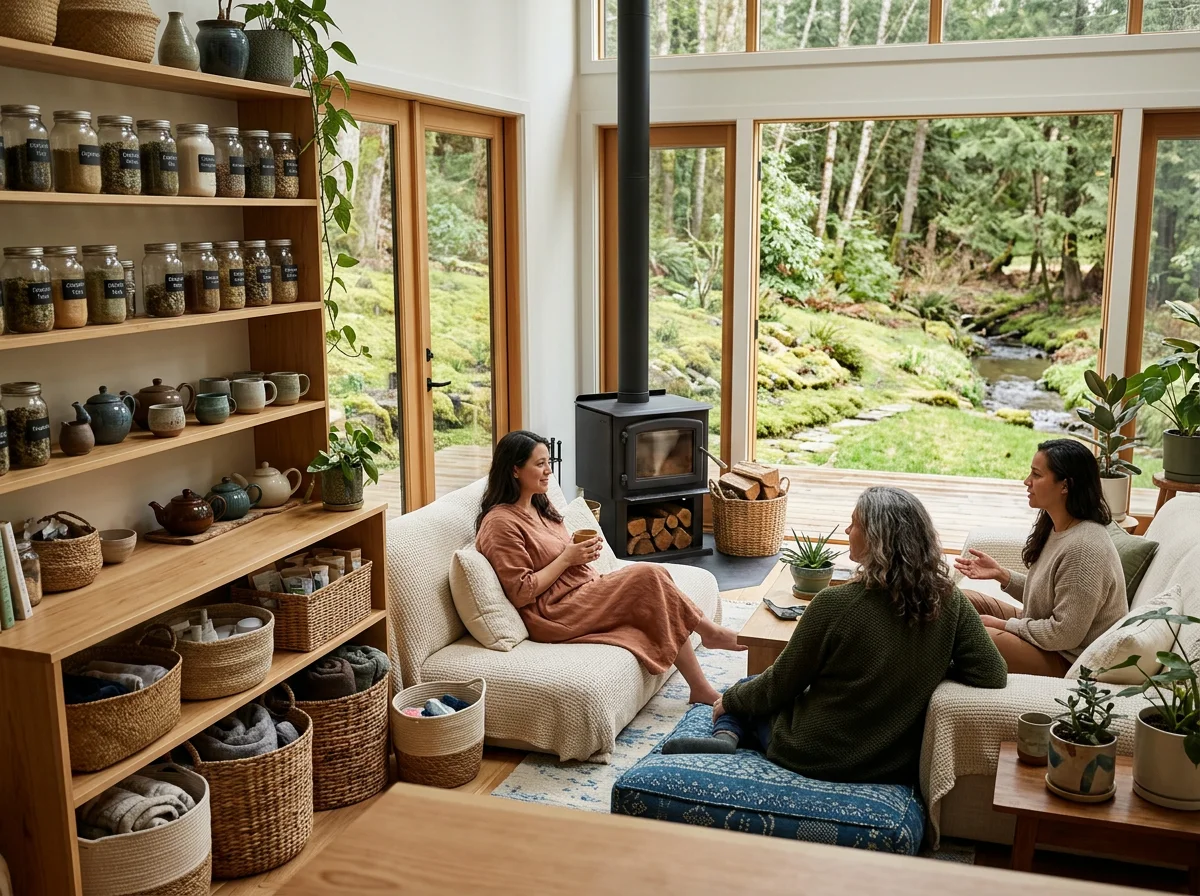
Come on your own or with whoever you want beside you. A team of holistic practitioners works together on site, so your care is joined up and the village is there for you from your first day to your last.
At the heart of the team are your doulas and midwives, the same familiar faces from preparation through recovery.
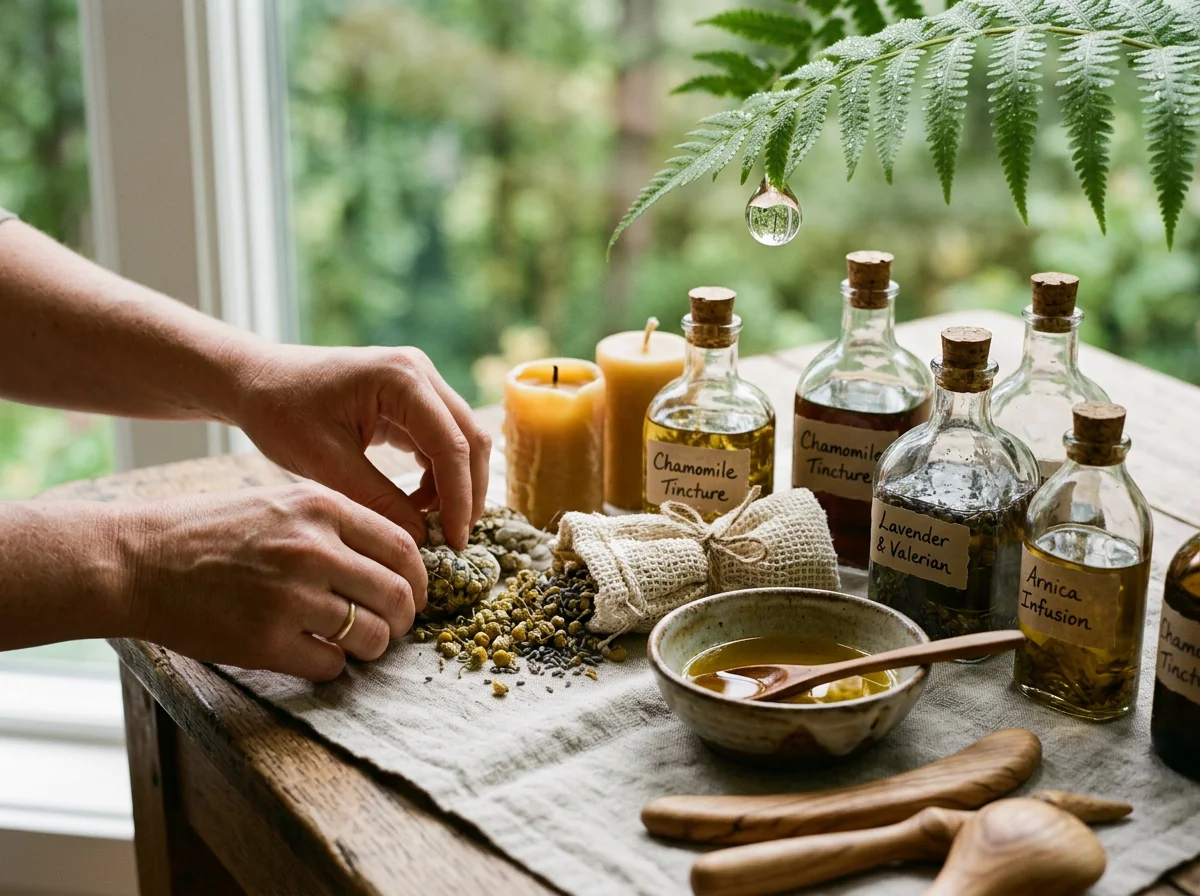
Alongside them, nutritionists guide the food and answer your questions about eating well while you heal and feed your baby. Osteopaths work gently to help the body realign after pregnancy and birth, and pelvic floor specialists help you rebuild strength and recover with care.
The wider team may include breastfeeding supporters, herbalists, acupuncturists, sound and energy practitioners, and counsellors. Everyone is chosen for a holistic approach that cares for the whole person: mind, body and spirit.
And around you are the other mothers, staying at the same time and going through the same weeks as you, so you always have company.
Be part of Mau
Every dollar strengthens our capacity to procure critical resources, facilitate outreach initiatives, and maintain the rigorous quality standards beneficiaries deserve.