Healing After Breakup, Divorce or Big Life Changes
(New Country, Motherhood, Career Shifts)
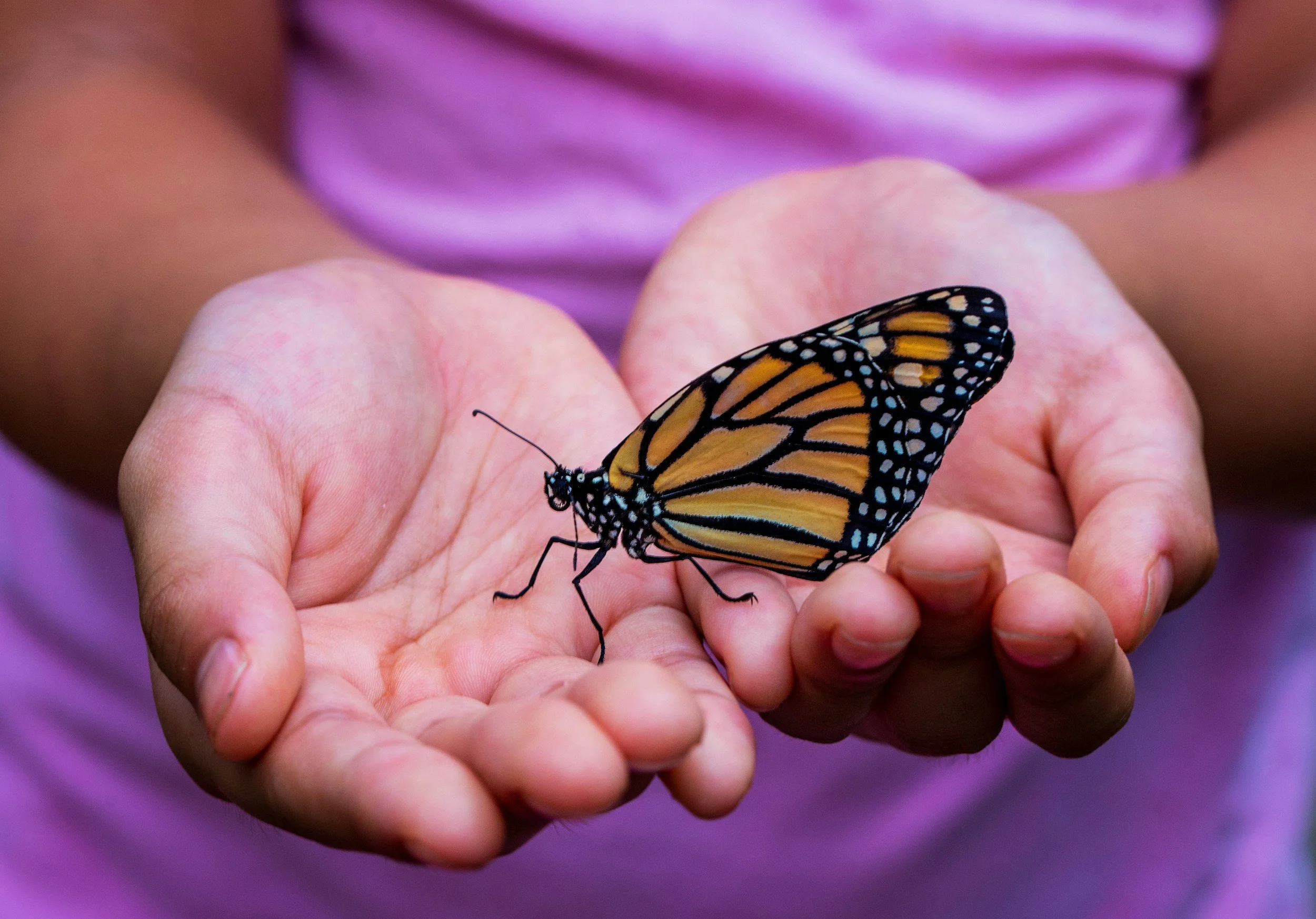
Major life changes—breakups, divorce, moving, motherhood, or career shifts—can radically disrupt your sense of self and stability. Navigating these transitions requires a nurturing, emotionally connected approach because they often trigger intense anxiety and emotional overwhelm, even when externally positive. Spiritually, these periods are gateways to becoming a more authentic version of yourself. The main message is: Change, while painful, can be a catalyst for deep personal growth if met with care.
Why Big Changes Hurt So Much (Even When You “Chose” Them)
After a breakup or divorce, your nervous system can react as if you’ve lost a limb: sleep, appetite and mood often change; your thoughts may circle around the past; your body might live in fight‑or‑flight or numbness for a while. Major transitions such as relationship losses, relocations, becoming a mother, or changing careers are among the most stressful life events and can increase the risk of burnout, anxiety and health problems if there’s not enough support. Even when you wanted the change, your old identity is dying, and a new one hasn’t fully formed yet.
Psychologists describe this “in‑between” as a liminal space – no longer who you were, not yet who you’re becoming. Spiritually, this phase is often called a dark night of the soul: a time when familiar structures fall away so something deeper can emerge. In “When Things Fall Apart”, Pema Chödrön writes, “It’s only when we lose the things we think we need that we’re free to discover who we really are”. Knowing this doesn’t remove the pain, but it can help you soften around it rather than blaming yourself for “not being over it yet.” Let’s explore how these changes directly impact your nervous system.
How Change Affects Your Nervous System
Big life changes challenge your sense of safety and predictability, which are basic needs for the nervous system. After a breakup, move, baby, or career shift, you may feel constantly on edge, exhausted, or disconnected because your system is trying to adapt to new realities – new routines, new faces, new roles. If you’ve also moved to a new country, your body is processing unfamiliar language, climate, social rules and often a sense of cultural grief for what you left behind.
Trauma‑informed practitioners stress that healing from transition isn't just about “thinking positively”; it's about helping your body feel safe. This includes steady routines (sleep, meals, movement), gentle grounding practices (breathwork, grounding, sound), and safe support for expressing yourself. Over time, these anchors show your system that you can survive and are not alone, even in a new life. Beyond the body, however, each change also offers a deeper spiritual invitation.
The Spiritual Invitation Inside Loss and Change
Spiritually, big changes ask: “Who are you without your old role, relationship, or story?” A breakup may reveal where you abandoned your truth for love. Moving may expose how much identity rests on homeland and community. Motherhood may strip away control and invite surrender, tenderness, and self‑honesty.
Many wisdom traditions see these times not as punishment, but as purification – burning away what is not really you. In “Broken Open”, Elizabeth Lesser writes, “Suffering and joy are forever linked; the deeper sorrow carves into your being, the more joy you can contain.” This doesn’t mean you have to like what happened, but it does mean your pain can become compost for new strength, boundaries, and compassion – if you are held safely as you move through it.
Practices like meditation, prayer, journaling, and intentional rituals (writing letters you never send, releasing objects from the past, blessing your new home or path) can help you mark the endings and honour the new beginnings. Sound journeys and circles create a sacred container where you can grieve, rage, cry and also feel moments of peace and connection in the middle of chaos. Moving from spiritual work to the tangible steps of healing, let’s focus on practical approaches following specific changes, such as a breakup or divorce.
Healing After Breakup or Divorce
Studies find that social support, self‑compassion, and meaning‑making speed recovery after loss. This means processing what happened and gently asking: “What did I learn? What patterns do I want to change? What love do I want next?” Therapy, coaching, and circles offer mirrors and tools for this reflection.
On a body level, heartbreak can feel like real physical pain – research suggests the brain interprets social rejection much like physical hurt. Practices that bring warmth and regulation – such as hugging a trusted friend, resting, warm baths, sound baths, and saunas – can soothe your nervous system and help you feel held. In “The Body Keeps the Score,” Bessel van der Kolk notes that embodied practices allow trauma and grief to move rather than freeze. The lessons learned from heartbreak can also guide us through other major transitions, such as moving, becoming a mother, or making career changes.
Navigating Big Moves, Motherhood and Career Changes
Moving overseas means practical stress (paperwork, housing, language) and hidden cultural and emotional grief. Research shows migrants face higher stress and loneliness, especially when losing support and rituals. Small, familiar rituals – traditional food, speaking your language, music from home, gathering with others like you – help your nervous system feel “at home” in a new place.
Motherhood and career shifts can also bring identity shock: you may question your value, your direction, your body, and your relationships. Mental health guidance highlights the importance of realistic expectations, asking for help, and letting go of perfectionism during these times. Spiritual writers frame this as a rebirth in which the old “you” cannot survive in the new life, and this is both painful and sacred. Journaling questions like “What parts of me are dying?” and “What parts of me are being born?” can help support this integration.
Community, Sound and Circles as Healing Containers
Human connection is one of the strongest protective factors in times of change. Women’s circles, support groups, sound baths and retreats offer spaces where you don’t have to “be okay”; you can simply be as you are and be held. Research shows that sharing your experiences in safe, supportive communities reduces feelings of isolation and can significantly improve mental health outcomes during major life transitions.
Sound baths, in particular, have been reported to reduce tension, fatigue and negative mood while increasing feelings of spiritual wellbeing and relaxation. Many people describe entering a sound journey feeling contracted and heavy, and leaving with a sense of lightness, clarity or quiet inner knowing about their next steps. Combining sound, circle and gentle guidance around nervous‑system awareness can help you integrate your experiences on all levels – physical, emotional and spiritual. As you seek guidance during big changes, certain books can also serve as companions along the way.
Books and Words for Times of Change
If you are moving through a breakup, divorce or big life transitions, these books are often named as companions on the path:
“When Things Fall Apart” – Pema Chödrön. A spiritual, compassionate guide to staying with your heart when life collapses.
“Broken Open” – Elizabeth Lesser. Stories and reflections on how a crisis can become a doorway to deeper authenticity.
“The Body Keeps the Score” – Bessel van der Kolk. Explains how trauma and stress live in the body and how to gently release them.
“Women Who Run With the Wolves” – Clarissa Pinkola Estés. Myth and stories about the wild, instinctive nature of women and how to reclaim it after loss and conditioning.
Clarissa Pinkola Estés: “The doors to the world of the wild Self are few but precious. If you have a deep scar, that is a door.” These words remind us that the places we feel most broken can become the exact places where our power and compassion grow. Remembering this, you may wonder what it means to move forward after change.

You Are Not Behind in Life
If you are in the midst of heartbreak, relocation, motherhood, or career confusion, you are not failing—this is a valid part of life’s journey. The main message is that healing after major changes isn’t linear; each day looks different, and that’s okay. With time, support, nervous-system care, and spiritual nourishment, these transitions can help shape a life that truly fits you. If this message resonates, you might consider reaching out for support within a safe community.
On our website, you can find different events and gatherings, join our women’s circles, sound baths, sauna retreats or 1‑1 offerings as spaces where they don’t have to go through these transitions alone.
